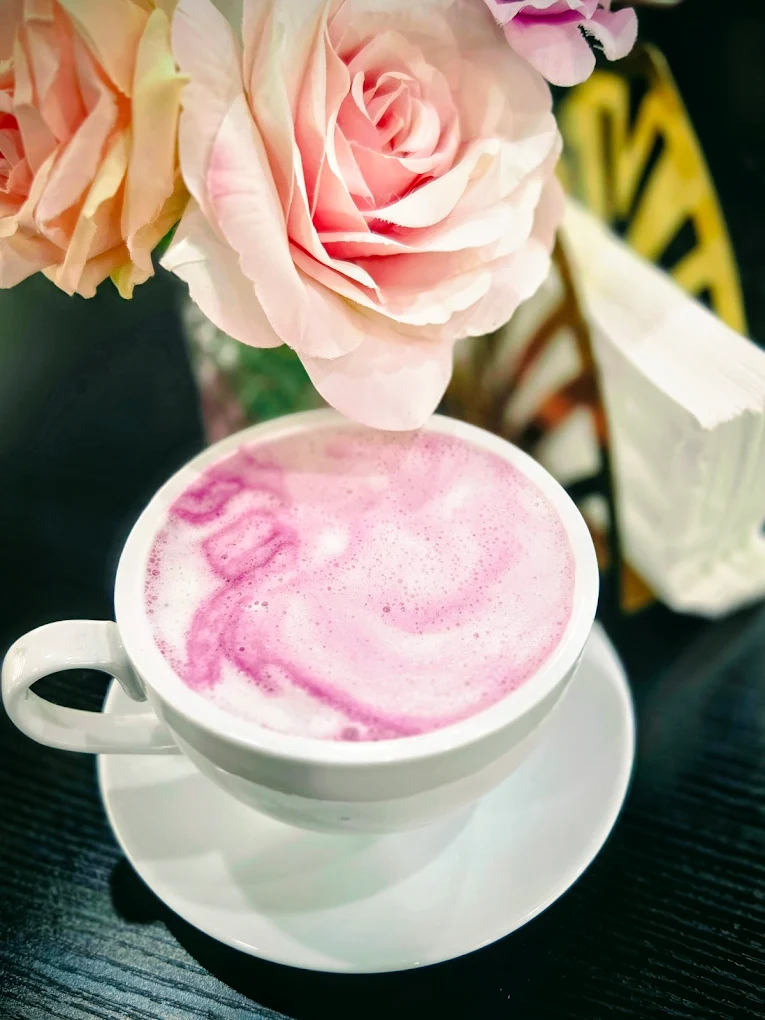
Iced matcha is the most-ordered drink at Café Mia, and it's not close. People come specifically for it. Here's the technique behind it — what we do that most Brooklyn cafes don't, and why the difference shows up in the cup.
Why iced matcha is harder than hot
Hot matcha forgives a lot. Steamed milk fills in for any unevenness in the whisking, and the warmth softens the tea's grassier notes. Iced matcha is unforgiving. Cold mutes texture, so any clumping or grit shows up immediately. Cold also amplifies bitterness, so a culinary-grade matcha that passes in a hot latte tastes harsh on ice.
Most cafes that serve iced matcha pre-mix concentrate matcha syrup, store it in a squeeze bottle, and dispense over ice with milk. The result is fast, consistent, and mediocre. The matcha sits in solution for hours, oxidizing, going dull. The drink is functional but lifeless.
How we make ours
We make iced matcha to order, the same way we make hot matcha. The steps:
- Sift the powder. 4 grams (we double-dose iced because cold needs more flavor punch). Sifting prevents clumps. This step alone separates serious matcha programs from casual ones.
- Whisk with hot water. 2oz of water at 175°F — not boiling. Whisk with a chasen in a quick W-shape until the surface is glossy and a stiff foam has formed. About 25–30 seconds.
- Pour over ice. Plenty of ice. The matcha shocks the cold, blooming the flavor.
- Add cold milk. Oat milk for most. Whole milk if you want richer. Almond if you want the matcha forward.
- Sweeten if requested. Cane syrup, half-pump default. Many regulars order it unsweetened.
Total time: 90 seconds from order to handoff. It's slower than the squeeze-bottle method but the difference in the cup is obvious.
The four-second decision to whisk fresh — instead of dispensing from a pre-mixed bottle — is what separates a real matcha program from a matcha-on-the-menu program.
The math on dosage
A typical iced matcha latte uses 2g of matcha. We use 4g. Doubling the dose is what makes the drink read clearly through cold milk and ice. At 2g, an iced matcha latte is mostly milk with a green hint. At 4g, it tastes like matcha.
The cost difference is about $0.40 per drink at our wholesale pricing. We absorb it into the menu price. We'd rather charge $7 for a great iced matcha than $5 for a watered-down one.
Milk choices, ranked
- Oat milk. The default. Smoothest texture, neutral flavor, lets the matcha lead. About 70% of iced matcha orders are oat milk.
- Whole milk. Richest. Best on a hot day when you want something more substantial.
- Almond milk. Lightest. Lets the most matcha through. Recommended if you want the tea forward.
- Coconut milk. Distinctive, polarizing. Some people love it; we don't recommend it for first-timers.
- Just water. The "matcha shot" version. Pure tea, no milk. The aficionado's order.
The seasonal variations
We rotate iced matcha drinks seasonally:
- Spring: Strawberry matcha (matcha + house strawberry compote). Pink-and-green, photogenic, genuinely delicious.
- Summer: Matcha lemonade (matcha + house lemonade over ice). Refreshing and slightly weird, in a good way.
- Fall: Honey-lavender matcha (matcha + honey + lavender syrup). Warm but still served iced.
- Winter: Rose matcha (matcha + rose syrup). The drink the regulars get sentimental about.
Each rotation runs about 8–10 weeks. The plain iced matcha latte is on the menu year-round.
What customers say
The most common feedback we get on the iced matcha is "this tastes different." It does. The differences are: ceremonial-grade powder (not culinary), 4g dose (not 2g), made fresh per drink (not from concentrate), real ice (not over-melted from sitting). Each of those is a small choice. Stack them and the drink becomes the thing customers come back specifically to order.
How it compares to other Brooklyn iced matcha
Williamsburg has good iced matcha — there are 2–3 spots that take it seriously. Bedford-Stuyvesant has fewer dedicated matcha programs but rising fast. Park Slope's matcha tends to be a coffee-shop afterthought. Greenpoint has a couple of standout places.
Where Café Mia fits: we're one of the only Bushwick cafes with a serious matcha program, and Bushwick's iced matcha scene is currently underrated. People who try us during a Bushwick visit consistently report we're better than the Williamsburg spots they were comparing to. We don't say that to brag; we say it because the perception that "Williamsburg has better cafes" is slightly out of date for matcha specifically.
How to order an iced matcha for the first time
If you've never had a real iced matcha, here's what to ask for: "Iced matcha latte, oat milk, half-sweet." That's the version that almost always wins over first-timers. Once you know you like it, you can dial up the matcha (ask for a "double") or dial down the sweetness (unsweetened) on subsequent visits.
If you've had matcha at chain spots and didn't love it, please give a real specialty matcha a try. The chains use culinary-grade matcha and pre-mix the drink. The flavor difference is substantial. We're at 1128 Broadway in Bushwick, open daily 8 AM – 5 PM.
Frequently asked questions
Where's the best iced matcha in Brooklyn?
Brooklyn has several excellent iced matcha programs. Café Mia in Bushwick is widely considered one of the best in the borough — we use ceremonial-grade matcha, double-dose every drink, and whisk fresh per order.
How is your iced matcha different from chain matcha?
We use ceremonial-grade matcha (not culinary), double the standard dose, and whisk fresh per drink instead of dispensing from pre-mixed concentrate. The flavor is brighter, less bitter, and sweeter naturally.
What milk do you recommend for iced matcha?
Oat milk for most people — smooth, neutral, lets the matcha lead. Almond if you want the tea more forward. Whole milk for a richer drink.
Is iced matcha good year-round?
Yes. We sell more iced than hot even in winter. Cold mutes the bitterness and highlights matcha's natural sweetness.
How much caffeine is in an iced matcha latte?
About 70mg — roughly half a cup of brewed coffee. Our drinks use 4g of matcha (double the standard dose), so caffeine is at the higher end of typical matcha drinks.